Certificate in Software Engineering
About Course
Cullen University College in affiliation with Mosa University
Duration: 10–12 Weeks | Level: Certificate
Course Introduction
Software engineering has become one of the most powerful pathways to both local and global economic opportunity available to young Zambians today. Unlike many career paths that require physical proximity to opportunity, software development skills open access to remote work with international companies, freelance platforms paying in foreign currency, and a genuinely growing local tech ecosystem from fintech innovation around mobile money, to Zambia’s expanding digital government services, to a startup community increasingly supported by innovation hubs and accelerator programs in Lusaka and beyond.
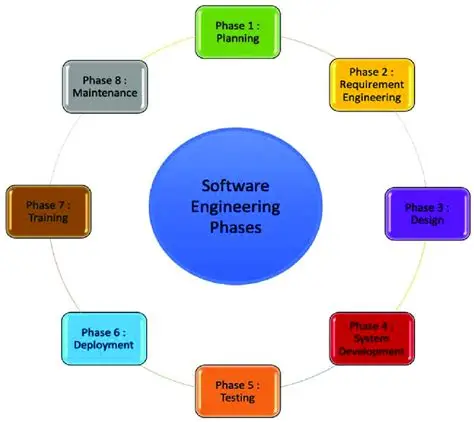
This certificate provides a rigorous, hands-on foundation in software engineering not just “how to code,” but genuine software engineering practice: computational thinking, programming fundamentals using Python, data structures and algorithms, version control, web development, databases, and the software development lifecycle including testing and debugging. Every module combines internationally standard technical content with real, working code examples you can type, run, and modify yourself, plus practical framing relevant to building a career or freelance practice from Zambia specifically.
An Important Note on How to Use This Course
Software engineering is a genuinely hands-on discipline reading about code is not the same as writing and debugging it yourself. Every module in this certificate requires you to actually type and run the code examples, not just read them. You will make mistakes, encounter errors, and need to debug your own code throughout this course this is not a sign you’re doing something wrong; it is the actual, normal process of learning to program, and Module 7 specifically builds your debugging skill and mindset. Set aside genuine practice time between lessons, not just reading time.
Learning Outcomes
By the end of this course, you will be able to:
- Apply computational thinking to break down real-world problems into solvable steps
- Write functioning Python programs using variables, control flow, functions, and data structures
- Explain and apply fundamental data structures and algorithms, including Big O complexity reasoning
- Use Git and GitHub for version control and collaborative development
- Build a functioning, styled, interactive web page using HTML, CSS, and JavaScript
- Design a simple relational database and write SQL queries to interact with it
- Apply the software development lifecycle, write basic tests, and debug code systematically
- Build, document, and deploy a complete software project, and understand career and freelance pathways in Zambia’s tech sector
Who this course is for: Complete beginners to programming, self-taught coders wanting to fill in fundamentals, and anyone seeking entry into Zambia’s tech job market or international freelance/remote work. No prior programming experience is required, though comfort with logical thinking and genuine patience for practice is essential.
Course Content
Introduction to Software Engineering & Computational Thinking
-
Introduction to Software Engineering & Computational Thinking
Module 2: Programming Fundamentals with Python
Module 3: Data Structures & Algorithms Fundamentals
Module 4: Version Control with Git & GitHub
Module 5: Web Development Fundamentals — HTML, CSS & JavaScript
Module 6: Databases & SQL Fundamentals
Module 7: Software Development Lifecycle, Testing & Debugging
Module 8: Building Projects, Deployment & Career Pathways
Student Ratings & Reviews