Certificate in Aquaculture
About Course
Cullen University College – in affiliation with Mosa University
Duration: 6–8 Weeks | Level: Certificate
Course Introduction
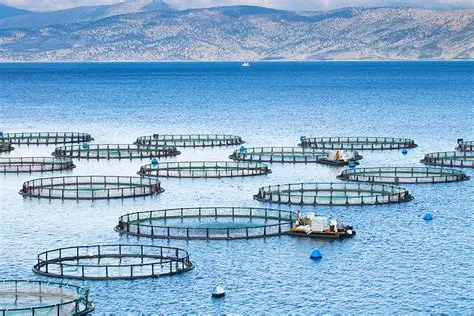
Aquaculture the farming of fish and other aquatic organisms is one of Zambia’s fastest-growing agribusiness sectors, driven by strong domestic demand for fish protein, government and donor investment in the sector, and Zambia’s genuine natural advantages: extensive water resources including Lake Kariba, the Zambezi and Kafue river systems, and numerous smaller water bodies well suited to both pond and cage-based fish farming. Tilapia and catfish farming in particular have become increasingly accessible entry points for smallholder farmers, cooperatives, and commercial investors alike, offering a genuine, provable pathway from a single backyard pond to a substantial commercial operation.
This certificate provides a rigorous, practical foundation in aquaculture — covering fish biology and species selection, pond and cage construction, water quality management (the single most technically important skill in fish farming), stocking and feeding management, disease and predator control, harvesting, and the business fundamentals of costing and marketing farmed fish. Every module combines scientifically sound aquaculture principles with realistic, low-to-moderate capital approaches suited to Zambian smallholder and emerging commercial farmers, using worked calculations throughout so you develop genuine, numerate competence rather than vague general knowledge.
Learning Outcomes
By the end of this course, you will be able to:
- Explain fish biology fundamentals and select appropriate species for your specific context and market
- Select an appropriate site and construct a functional fish pond or understand cage culture principles
- Monitor and manage water quality parameters critical to fish health and growth
- Calculate appropriate stocking densities and manage a feeding program using Feed Conversion Ratio principles
- Identify and manage common fish diseases, parasites, and predators
- Harvest fish correctly and handle post-harvest processing for market
- Cost, price, and market a small-to-medium aquaculture enterprise for profitability
Who this course is for: Aspiring and existing smallholder farmers, agribusiness entrepreneurs, cooperative members, and anyone seeking a genuinely practical, numerate foundation in commercial fish farming. No prior aquaculture or scientific background is required, though comfort with basic calculations is assumed.
Course Content
Module 1: Introduction to Aquaculture & Business Potential in Zambia
-
Introduction to Aquaculture & Business Potential in Zambia
Module 2: Fish Biology & Understanding Growth Requirements
Module 3: Pond Site Selection, Design & Construction
Module 4: Water Quality Management
Module 5: Stocking & Feeding Management
Module 6: Fish Health, Disease & Predator Management
Module 7: Harvesting & Post-Harvest Handling
Module 8: Business Planning, Costing & Marketing
Student Ratings & Reviews